Architectural materials
Stone, concrete, wood and metal selected for lasting character.


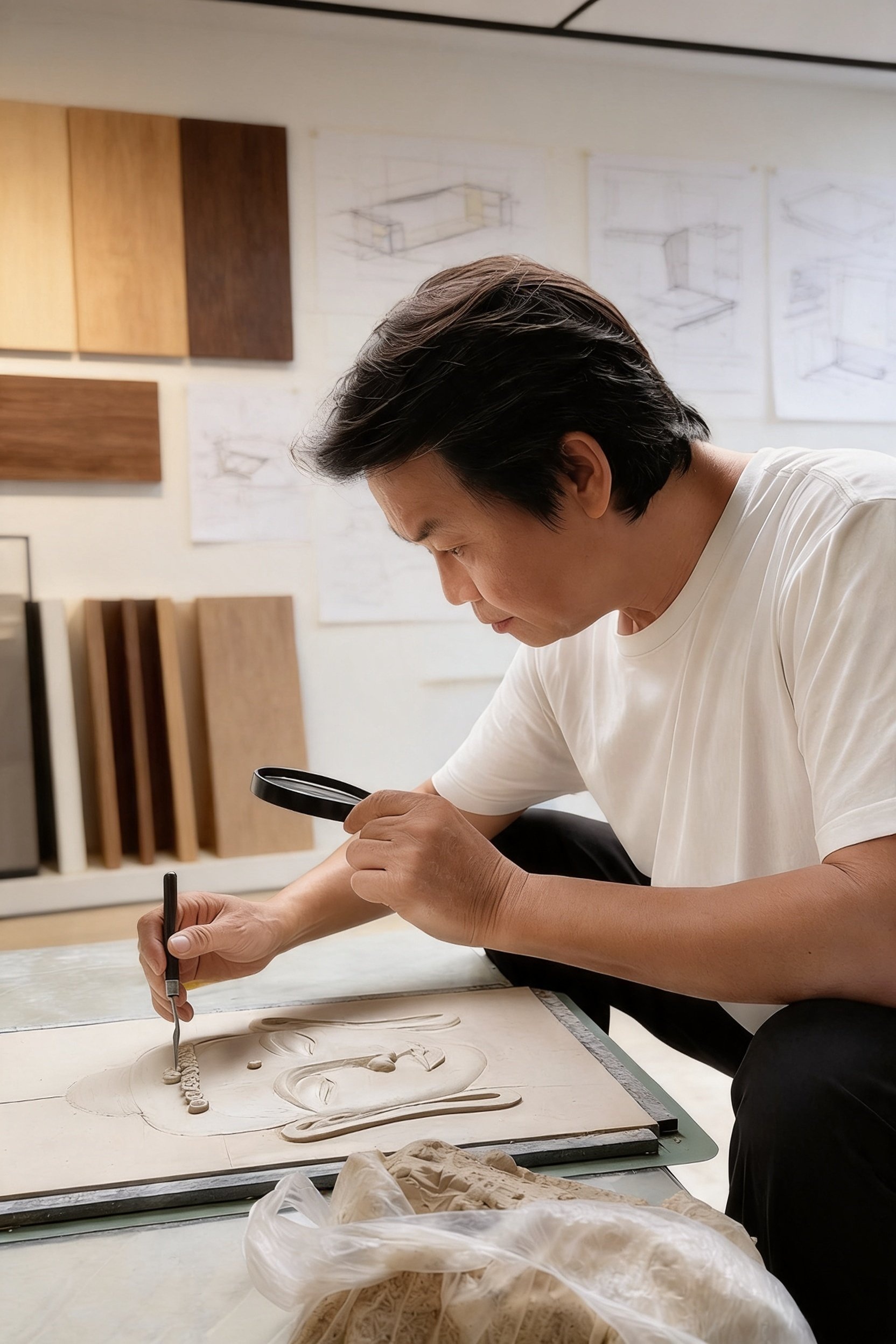
What I am doing today did not begin with a sudden idea. It has gradually taken shape through different stages of my life, through changes in the way I think, and above all, through more than twenty years of experience in design and construction.
I graduated in Civil Engineering from Ho Chi Minh City University of Technology in 1996 and began working independently in 1998.
But long before I became an engineer, my father taught me how to draw and introduced me to painting, sculpture, and the appreciation of beauty. From an early age, I also developed a habit of reading, learning on my own, and exploring different fields of knowledge.
Perhaps because of this, two perspectives have always existed side by side within me: the mind of an engineer and the sensibility of someone who loves beauty.
More than two decades of designing and directly managing construction gave me a foundation that books alone could never provide.
I worked on many different types of projects, from private homes and public buildings to industrial projects for international clients. Along the way, I was exposed to different approaches to design, materials, technical standards, and ways of organizing and delivering projects.
The more I worked, the more I realized that a good building is not simply one that is technically correct. It also requires thoughtful design, appropriate materials, attention to detail, and harmony between architecture, people, and the surrounding environment.
I gradually began to think beyond simply constructing buildings and became more interested in the quality of the spaces in which people live.
Throughout my career, I also had opportunities to meet and exchange ideas with architects, clients, and professionals from different countries.
I became particularly interested in the design philosophies I encountered in Japan, Europe, and the United States — their attention to detail, rational thinking, efficiency, use of materials, and focus on the human experience.
Over time, I came to understand something important:
What is worth learning is not only what others have created, but how they think in order to create it.
I did not want simply to copy what had already been done elsewhere. I wanted to learn from the way others think and gradually discover an approach of my own.
Years of working in construction also allowed me to notice small but very real gaps.
Sometimes I needed a material that I simply could not find. Sometimes a product already existed, but it was not beautiful enough, practical enough, or quite right for what I wanted to achieve.
A simple question gradually became very natural to me:
If it doesn't exist, why not try to create it?
Perhaps this was the most important turning point in the way I thought about my work.
Instead of only using materials and products to create buildings, I began thinking about creating the materials and products themselves.
Different parts of my life that once seemed separate began to come together: engineering and hands-on construction experience; painting and sculpture; materials and a sense of beauty; and all those years of reading, observing, experimenting, and learning on my own.
I began experimenting with concrete, GRC, composites, metal, wood, and combinations of different materials.
This gradually opened many different directions: wall art and sculpture; spiritually inspired works; tables, seating and indoor and outdoor furniture; decorative objects; architectural materials such as wall panels, bricks, roof tiles, artificial stone and pebbles; heat-reduction solutions; and other new ideas for buildings and living spaces.
Some are small objects. Others are larger ideas that are still being explored.
Whether it is a work of art, a piece of furniture, or an architectural material, I want them to share the same spirit:
Minimal, but never plain. Refined, but never excessive. Contemporary, yet still connected to nature.
There is a long distance between an idea and a real product.
For nearly five years, I have been starting again from the smallest things: designing, testing materials, making molds, sculpting, fabricating, failing, revising, and trying again.
Some pieces had to be discarded. Some prototypes had to be broken apart and remade many times. Yet it was through this process that I came to understand materials more deeply — and to understand more clearly what I truly wanted to create.
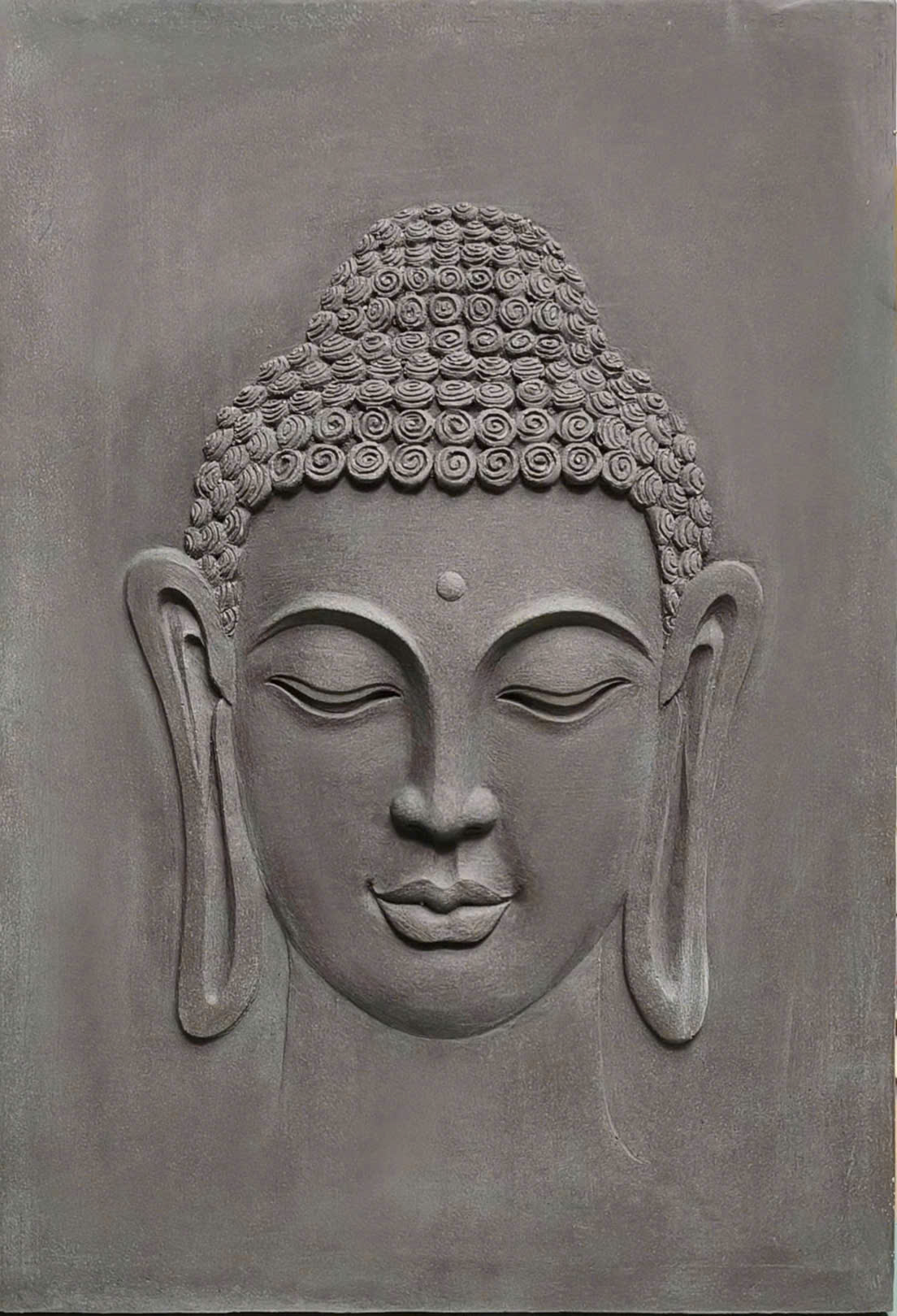
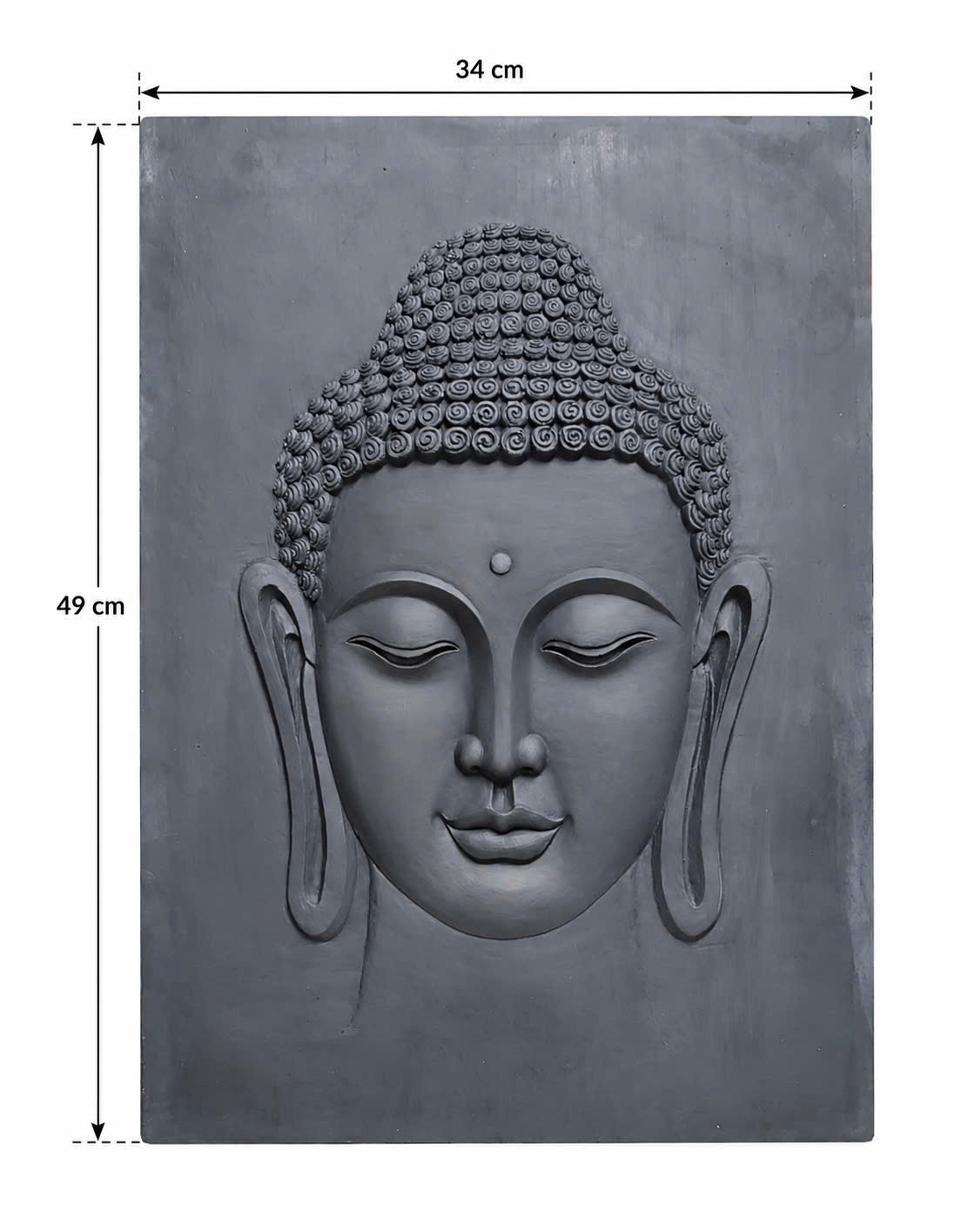
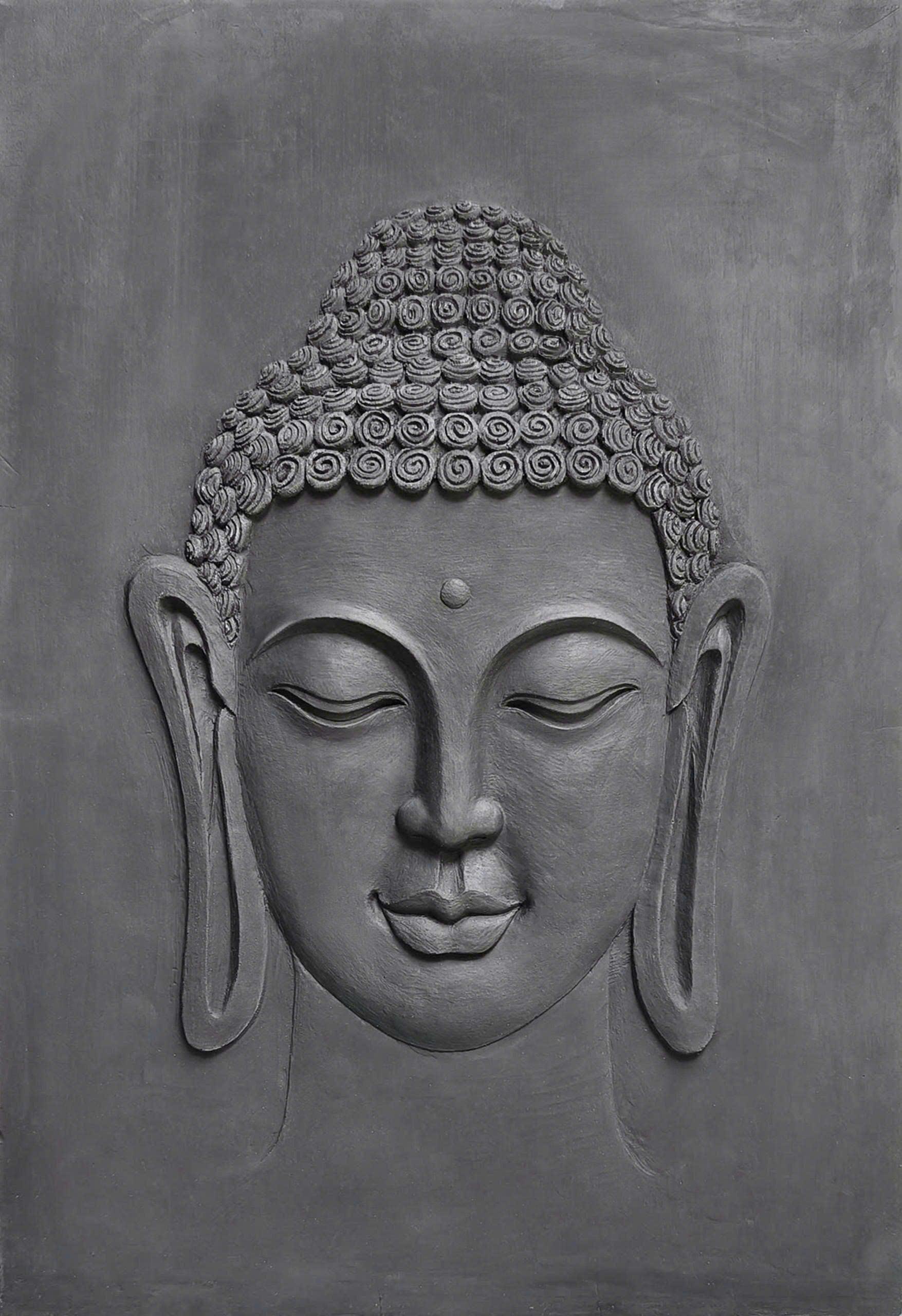
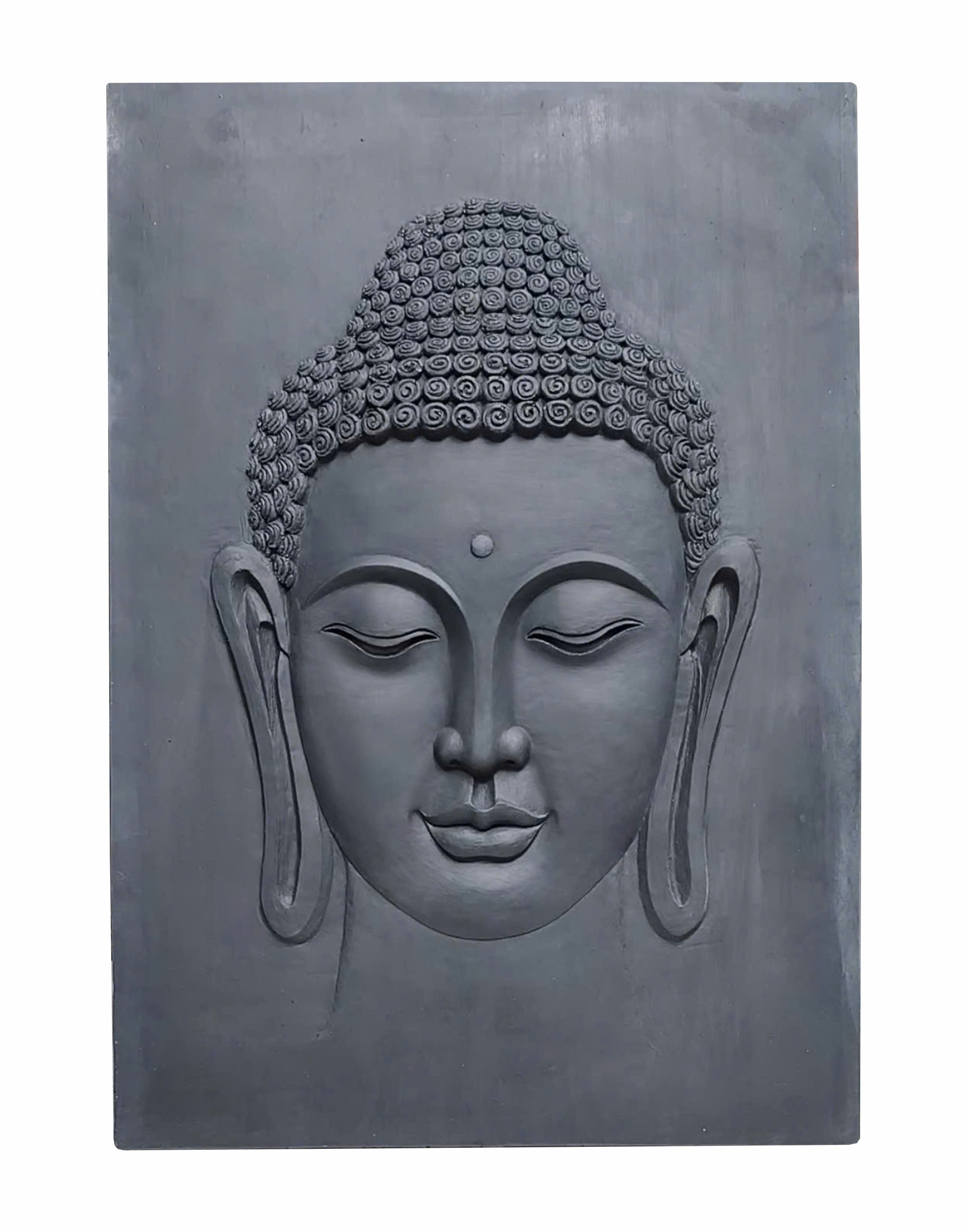
Before I began sculpting my first Shakyamuni Buddha relief, I spent many days asking myself:
“Can I really do this? Do I have the perseverance to see it through?”
And then I began.
Perhaps that is also how I have traveled much of my life: by continuing to learn, having the courage to try, and when I truly believe in something, doing my best to see it through.
Today, the work I pursue ranges from art and sculpture to indoor and outdoor furniture, objects made from concrete, composites, wood and metal, architectural materials, and new solutions for buildings and living spaces.
They may differ in form, material, and function, but I hope they share something in common: beauty, thoughtful design, usefulness, sustainability, and harmony with people and nature.
I do not see this as a destination.
It is simply a new milestone, built upon more than twenty years of professional experience, upon the foundations I already have, upon everything I have learned, made, experienced — and even the failures that have taught me to begin again.
I am not starting from zero.
I am starting with everything I have gathered along the way, and with the belief that there is still so much to learn, explore, and create.
I am beginning to walk a new path.
BU-DECOR / About the house
A design and manufacturing house for architectural materials, made-to-measure furniture and considered objects — drawn, made and installed by one team.
 A slower, more considered way of living.
Space / balance / harmony
BU-DECOR works at the intersection of architecture, craft and culture. We bring materials, objects, systems and ideas together so a room feels complete — not decorated.
Our process is collaborative and deeply practical. We ask how a space should move, what it should hold, how light will change it, and what will still feel right years from now.
Explore our collections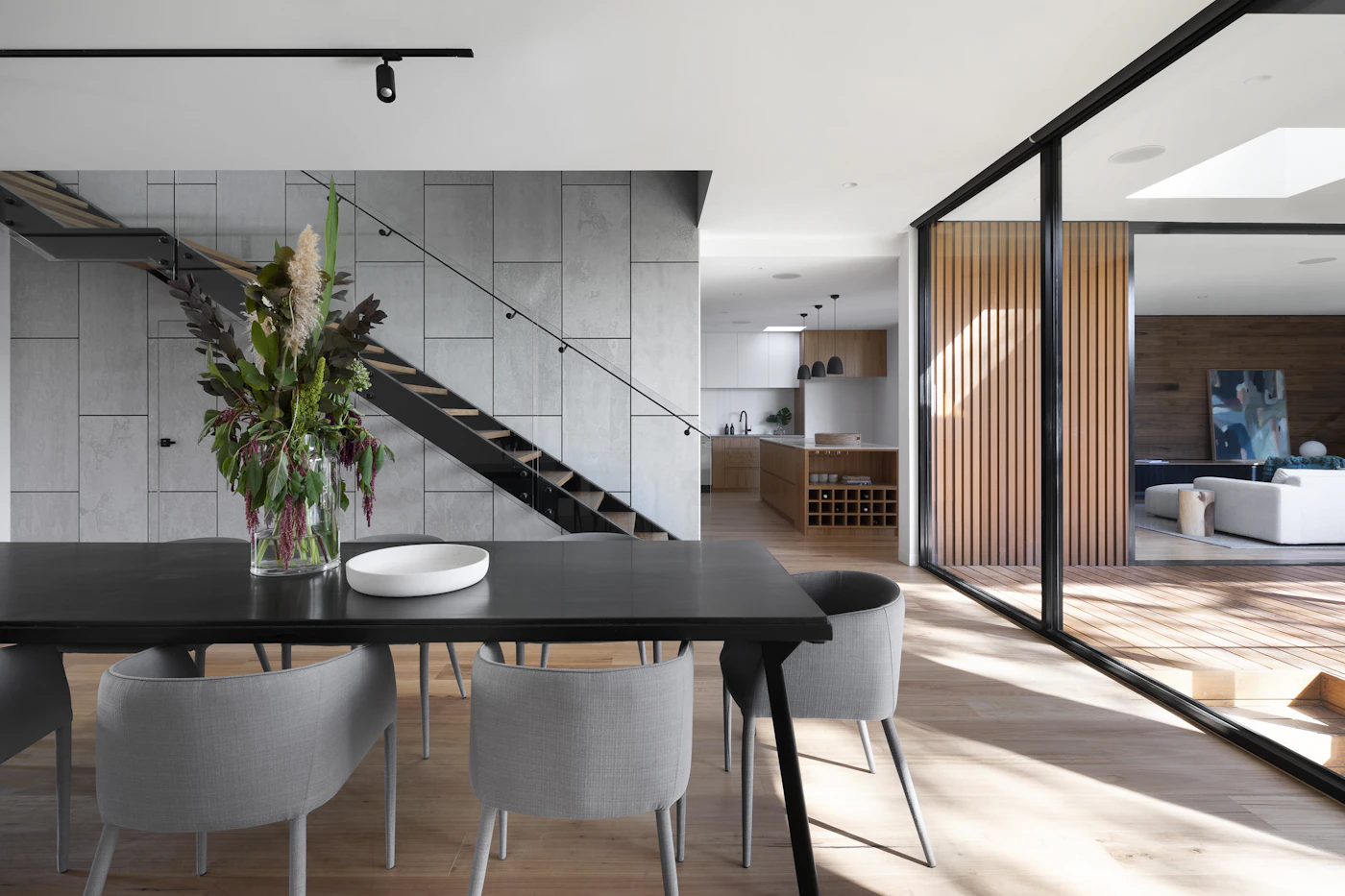
The BU method
We do not begin with a trend. We begin with a material, a proportion, a feeling or a question — then develop the right answer with makers, architects and clients who care about the result.
Material library
Every finish in our library is sampled, tested for our climate and repeatable across a whole project — so the last piece matches the first.
What we bring together
From a single object to a complete environment, our capabilities are connected by the same belief: good design should make life feel more grounded.
Stone, concrete, wood and metal selected for lasting character.
Thoughtful technology that makes the space feel simpler, not busier.
Made-to-live-with pieces shaped by proportion, texture and touch.
Objects and artworks that bring quiet, balance and meaning to a room.
Why clients commit
Ordering bespoke work requires trust. These four commitments accompany every quote we issue.
Every made-to-order piece is warranted on frame, joinery and finish adhesion.
Survey before production and a pre-install check so nothing arrives “almost right”.
Material and finish samples are sent for approval before we cut anything.
Our own team crates, delivers, installs and clears the site.
Working together
Whether you are shaping a home, hospitality space, gallery or workplace, we make the process transparent from first conversation to final detail.
Start your briefIn their words
They speak the language of architects. Details were resolved on paper before they became problems on site.
Samples arrived in four days, production held the schedule, and the joinery still looks new after two seasons of guests.
The only supplier we stopped double-checking. Quantities, finishes and lead times were exactly as quoted.
Selected pieces
 New
-35.6%
New
-35.6%
Buddhist Spiritual Collection · Premium Mineral Composite
 New
-32.1%
New
-32.1%
Buddhist Spiritual Collection · Premium Mineral Composite

Visit us
Bring your drawings, mood images or nothing at all. We will pull samples, talk through construction and give you honest lead times and pricing on the spot.
Before you order
Yes. Trade partners get technical drawings, material libraries, project pricing and a single point of contact for the whole build.
Almost everything we make is made-to-measure. Share drawings or site photos and we will confirm feasibility with a fixed quote.
Stock objects ship in 5–7 days. Made-to-order furniture and material packages average 6–10 weeks depending on finish.
We crate, insure and install ourselves. Any transit damage is replaced or remade at our cost, not yours.
A considered beginning